-
Zenko Move
Why We Built Zenko Move Around Teams (And Why Science Says We Got It Right)
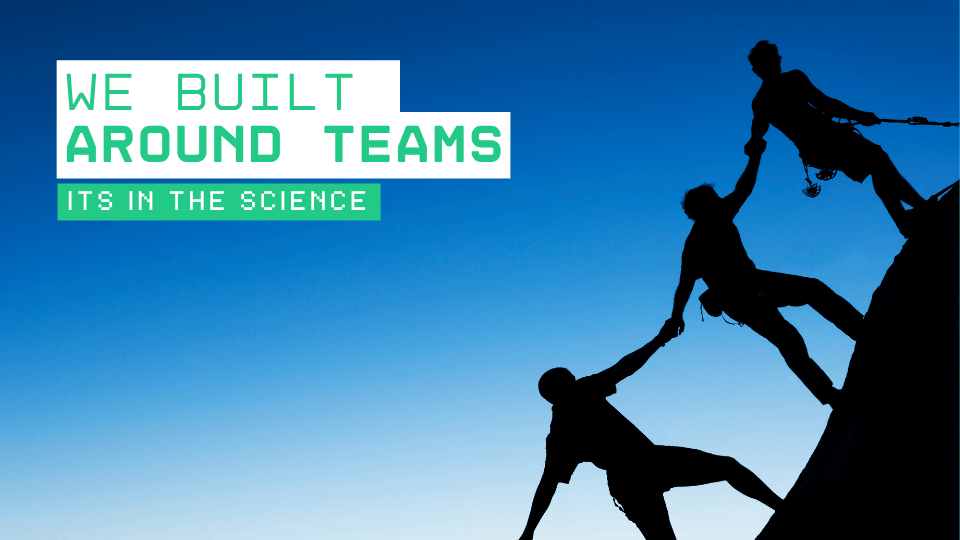
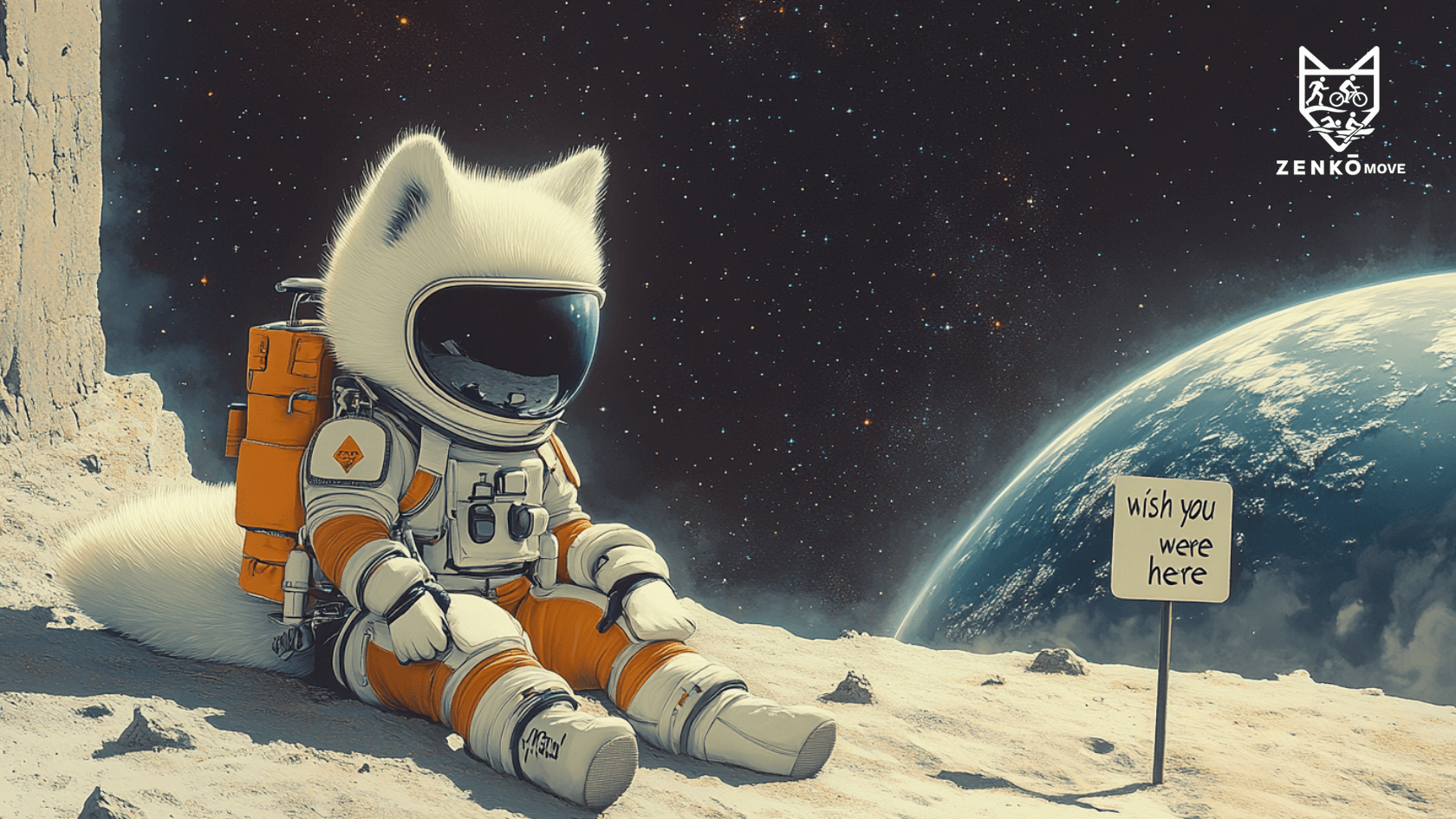
Here's the hard truth about going solo, and why your Moon mission needs co-pilots.
Picture this: You download a fitness app with the best intentions. You're motivated, you set goals, you even log a few workouts. Then life happens. Work gets busy, the weather turns bad, or you just... forget. Sound familiar?
You're not alone. In fact, you're part of a statistic that the fitness industry would rather not talk about.
63% of people who start individual fitness programs quit within the first year. Nearly half give up within just six months. And here's the kicker: only 17% of people who join gyms actually use them twice a week.
But here's what the fitness industry doesn't want you to know: there's a simple fix that changes everything. It's not a new workout method, expensive equipment, or magic supplement.
It's other people.
The Numbers Don't Lie (And They're Pretty Amazing)
When we were designing Zenko Move, we dug deep into the research. What we found blew our minds:
People who start fitness programs with friends have a 95% completion rate. Solo exercisers? Just 76%.
That's not a small difference. That's the difference between success and giving up.
But it gets even better. When you commit to a goal with another person, you have a 65% chance of completing it. When you have specific accountability appointments (like, say, a Mission to the Moon with your team), that number jumps to 95%.
Think about that for a second. Just by having teammates, you've just increased your chances of success by nearly 50%.
Why Your Brain Loves Teamwork (Even When You Think You Don't)
Ever noticed how you can push yourself harder in a group fitness class than when you're working out alone? There's actual science behind that feeling.
It's called social facilitation, and it's hardwired into your brain. When other people are watching (or in this case, when your teammates are counting on you), your brain literally performs better on tasks you already know how to do. Like walking. Or running. Or not hitting the snooze button when your team is counting on you.
But here's where it gets really interesting. Remember that helper's high you get when you encourage a friend? That's not just feel-good fluff. It's your brain releasing endorphins, dopamine, and oxytocin. The same chemicals that make exercise feel good are flooding your system when you help your teammates succeed.
Your brain is literally rewarding you for being a good teammate. Which makes you want to show up more. Which makes your teammates want to show up more. It's a beautiful cycle.
The Magic Number: Why We Cap Teams at 6
We didn't randomly decide on teams of 2-6 people. Science told us exactly what works.
Researchers have studied team sizes across everything from corporate projects to fitness programs. The sweet spot? 4-6 people. Mathematically, the perfect team size is 4.6 people (we rounded up because half-people are hard to find).
Here's why this size works so perfectly:
Small enough that everyone matters. In a team of 4, if you don't show up, your absence is felt. In a team of 20, you can easily disappear. Psychologists call this "social loafing," and it's the death of accountability.
Big enough for support when life happens. If one teammate gets sick or travels for work, the other 3-5 people keep the momentum going. You're not carrying the entire load alone, but you're not invisible either.
Personal connections actually form. You can't build real relationships with 50 people. But you can absolutely care about 4 people's success and have them care about yours.
Studies show that teams of this size are 3-4 times more cost-effective and have 2-3 times fewer failures than larger groups. In fitness terms, that translates to way better adherence and results.
The "I Don't Want to Let Them Down" Effect
Let's be honest about something: you've probably skipped workouts because you "didn't feel like it." We all have. But how often have you bailed on plans with friends because you didn't feel like it?
The psychology is different, isn't it? When it's just you, it's easy to make excuses. When other people are counting on you, suddenly you find the motivation.
This isn't weakness. It's human nature, and it's incredibly powerful.
One study followed thousands of adolescents and found that peer support explained 53% of the difference between people who stuck with exercise and those who quit. More than half of success came down to having other people in your corner.
Another study of medical students compared group exercise to individual workouts. The group exercisers saw:
- 12.6% improvement in mental quality of life
- 24.8% improvement in physical quality of life
- 26.2% reduction in stress
Individual exercisers? No significant changes except minimal mental health improvements.
The social element doesn't just help you stick with it. It makes the whole experience better.
The Secret Sauce: You Help Them, They Help You
Here's something beautiful about the team approach: the act of helping your teammates actually makes you more motivated.
Studies show that 100% of peer-delivered fitness programs increase physical activity levels. Not 90%. Not 95%. Every single one.
When you encourage a teammate who's struggling, when you celebrate someone else's small win, when you check in on a friend who's been quiet in the group chat, your brain lights up. You get a helper's high that makes you want to keep showing up.
It's not just about not wanting to let people down. It's about actively wanting to lift people up. And that positive energy comes right back to you.
Community-based programs that tap into this helper effect show benefits lasting up to 4 years. Four years! Most individual programs lose people within months.
Why This Works Even When We're Not in the Same Room
"But wait," you might be thinking. "My teammates are scattered across different countries. Does this really work virtually?"
The answer is a resounding yes.
Research shows that fitness apps with social sharing features lead to 32% higher consistency compared to solo tracking. Team-based virtual fitness programs have 17% higher user retention than individual programs, with effects lasting over a year.
Your brain doesn't actually care if your teammates are in the same room or on the other side of the world. What it cares about is the social connection, the shared identity, the feeling that you're part of something bigger than yourself.
When your teammate in Australia logs their morning walk, and your teammate in Germany celebrates your evening run, and your teammate in New York shares a motivational quote in the group chat, your brain processes that as real social support. Because it is.
The Two Friends You Need (And Need to Be)
As you're thinking about your Mission to the Moon team, consider this: you need two types of people in your life.
Friends who will motivate you. These are the people who check in when you've been quiet, who celebrate your wins, who send encouraging messages on tough days. They're your cheerleaders and accountability partners.
Friends you want to motivate. These are the people you want to see succeed, whose progress you celebrate, who you check in on. Maybe it's someone just starting their fitness journey, or someone going through a tough time, or just someone you care about.
The magic happens when you're both. When you're receiving support AND giving it. When you're being lifted up AND lifting others.
This is what transforms a simple fitness challenge into something that changes how you think about movement, community, and yourself.
Ready to Prove the Science Right?
The research is clear: teams work. Small teams work even better. And virtual teams work just as well as in-person ones.
But you don't have to take our word for it. You can prove it yourself.
Think about the people in your life right now. Who would benefit from moving more? Who would cheer you on when the going gets tough? Who would you be excited to celebrate when they hit their goals?
Those are your potential teammates.
Maybe it's your college roommates who are scattered across three continents but still text in your group chat every day. Maybe it's your work colleagues who are all trying to be healthier. Maybe it's your family members who keep talking about "getting in shape someday."
Maybe it's that friend who's been wanting to get more active but doesn't know where to start. Or the one who's always talking about their mental health struggles and could use the proven mood benefits of regular movement.
Your Mission to the Moon isn't just about reaching an arbitrary distance. It's about proving that when ordinary people come together around a shared goal, extraordinary things happen.
The science says it works. The research proves it's effective. The data shows it's sustainable.
Now it's time to experience it yourself.
Ready to form your team and prove the researchers right?
The Moon is waiting. But more importantly, your teammates are too.


-
-
Join the Mission
Be part of something bigger. Join our Kilimanjaro warm-up, team up for the epic Mission to the Moon, and tackle five incredible solo events. Every step earns you XP, unlocks amazing digital collectibles, builds your fitness, and funds real-world impact. Together, we're proving that movement changes everything.